| Info |
Details |
| What |
10th Electric Vehicle Summit |
| When |
Oct 20-21, 2022 9am to 6pm |
| Where |
SMX Pasay |
| By Whom |
EVAP |
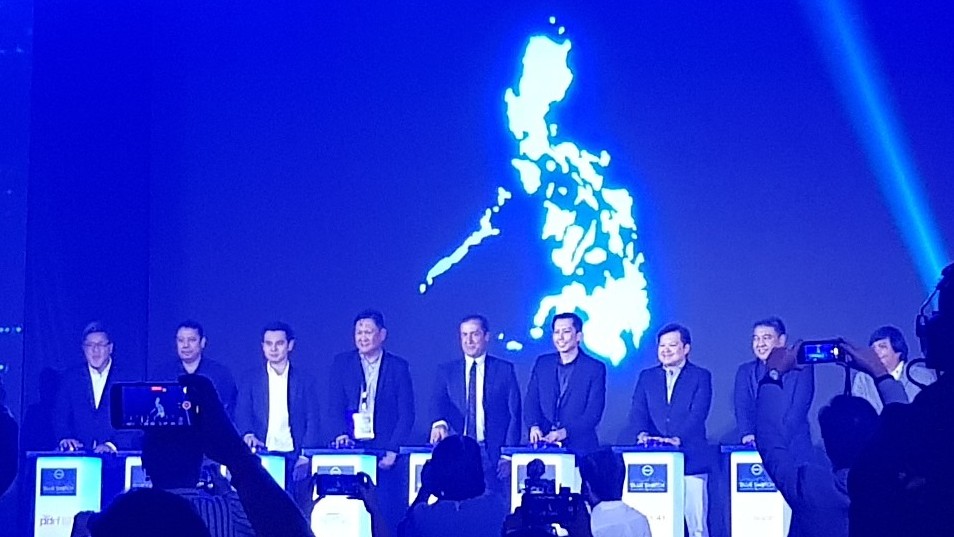
The event will showcase the latest electric vehicles as well as the updates regarding the implementation of the EVIDA law.
Update: October 21
Session 1: Malaysia
The Malaysian speaker talked about the classification policies of Malaysia from 2011:
- L3E for 55 kilometers per hour
- L1 for 45 kilometers per hour and below
- Ebike for 35 kilometers per hour and below
Showcase: Bosch
Martin Knoss of Bosch explained that 2-wheeler prediction is uncertain because it is based on cost and not on the love for the environment. Thus, industry needs to lower its costs.
He then showed the Bosch electrification portfolio, highlighting the importance of software for EVs. Included in this are:
- “Access managment” to let people charge their cars easily.
- “Health certificate” to increase the car resale value as it is dependent on the battery quality and life
Session 2: Thailand
The Thai speaker from the Electric Vehicle Association of Thailand (EVAT) explained Thailand’s policy on retrofitting ICE vehicles (internal combustion engine).
Thailand has 2200 charging stations, half is AC, half is DC. The ratio of EVs to charging sockets is:
- 18 EVs to 1 charging socket (Thailand)
- 19 to 1 is the average
- 30 to 1 is the worst
Challenges
He said that the biggest challenges are:
- There are no EV pickup trucks
- High household debt is biggest 14 years, 90% of Thai GDP
There are 21.487m motorbikes in Thailand
- The Bangkok Metropolitan Admininstration aims to convert its 3500 vehicles to EVs, from motorbikes to garbage trucks
- Bangkok has high air pollution at PM 2.5
Knoss says that the challenge is cost because of expensive raw materials and tariffs.
- Industry needs 8-10 years of 0 tariffs
- Microchips shortage is affecting EV production
Opportunities
Knoss says that the Philippines is not industrilaized and so EV mass production is not immediately repairable.
The panel says that LTO participation is essential in giving standards for retrofitting
The demand for 2 wheeled EVs is weak in Malaysia because gasoline is subsidized, leading to a price of 50 US cents per liter.
To drive demand, there are tax exemptions:
- sales tax
- road tax
- import duties
It would be nice for all jeepney manufacturers to have 1 platform to standardize parts and process.
Thailand has “Eastern Economic Corridor” which has automative manufacturing.
- A Toyota wigo costs around 600k Thai baht
- It costs around 20k Thai baht to convert a motorbike
- Thailand has one of a kind approach.
Korean makers are making a conversion kit for Korean cars.